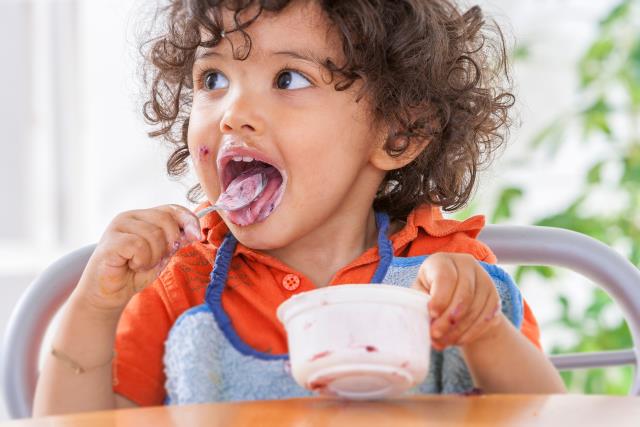
More than three quarters (78 per cent) of ready-made toddler foods found in supermarkets fail to meet all sugar recommendations set by the World Health Organisation’s European Office, according to startling new research released.
The findings reveal toddler snacks are the worst sugary offenders, with a whopping 9 out of 10 (88 per cent) snacks failing to meet international recommendations in relation to sugar and sweet ingredients.
The recommendations currently advise:
· toddler foods should not contain added sugars and other sweetening agents;
· only limited amounts of dried or pureed fruit should be used to sweeten toddler foods;
· toddler finger foods and snacks should contain less than 15 per cent of energy from totals sugars.
The Cancer Council Victoria research, which studied 73 ready-made toddler products sold in three major Victorian supermarkets, has prompted calls for immediate action to protect the future health of Australia’s children.
Jane Martin, Executive Manager, Obesity Policy Coalition, said the findings demonstrate higher standards are urgently needed to limit the amount of sugars that can be added to ready-made toddler foods.
“For many children, ready-made baby and toddler foods make up a significant portion of what they eat every day and yet there is currently no regulation about how much sugar can be added to them.”
“In Australia, a quarter of children are already above a healthy weight, and we need to act now to avoid setting our nation’s kids up for a lifetime of preventable health problems.”
“These foods should support good health and wellbeing, but the processed food industry uses sugars, including processed fruit sugars, in these ready-made foods and promotes them with claims and product names to make them appear healthy.”
“Australians have been led by the processed food industry to believe that products marketed as containing fruit ingredients are healthy – but that’s not always the case. These products don’t contain fresh fruit, which we know is great for our health. Once fruit is processed into a paste, juice or concentrate for example it is fundamentally changed; the sugars are more concentrated and there are less beneficial nutrients.”
Ms Martin said, that in order to protect our youngest consumers, the Australian government urgently needs to set higher standards to limit sugars, including processed fruit sugars, that can be added to these processed foods.
“A critical first step is the introduction of an accurate definition of added sugar that includes processed fruit sugars like fruit pastes, juices and concentrates as these are heavily used in baby and toddler foods as well as more generally across the food supply.”
The statutory body that develops standards for food, Food Standards Australia New Zealand, is currently considering whether to include added sugar labelling on all packaged foods.
“Australians rightly expect labelling of products to be honest and accurate. For the ‘added sugar’ definition to be accurate, it needs to include all sugars consumers should be limiting in their diet, – particularly processed fruit sugars, like fruit pastes, juices and concentrates.”
A move to set robust standards to limit sugars in baby and toddler foods would find favour with Australian parents, said Ms Martin, citing recent data that showed 9 in 10 agreed there should be laws to limit harmful sugars in baby and toddler foods.
Sherly Li, dietitian with LiveLighter, said regularly eating nutrient poor, sugary foods put babies and toddlers at risk of favouring sweet foods as they grow, putting their health at risk later in life.
“Sugar-laden products like fruit bars, yoghurt covered biscuits, sweetened teething rusks, and even meals are putting kids at risk of early tooth decay and unhealthy weight gain. As babies and toddlers grow older, being a higher bodyweight can increase their risks of serious chronic diseases like type 2 diabetes, heart disease and some cancers in adulthood.”
To learn more about sugars in baby and toddler foods and to sign up to support actions for a healthy diet for babies and toddlers visit Kids are Sweet Enough at opc.org.au/kids-are-sweet-enough