
Greater Dandenong Council says it’s bucking the trend with fewer ratepayers in arrears.
This is despite more ratepayers are doing it tough – with 134 applying for hardship relief as of 31 January, compared to 118 at the same time last year.
According to a report in The Age, ratepayers in arrears were on the rise, especially in outer metropolitan council areas.
However in Greater Dandenong, 7 per cent of rates are in arrears – down from 10 per cent in 2022-’23.
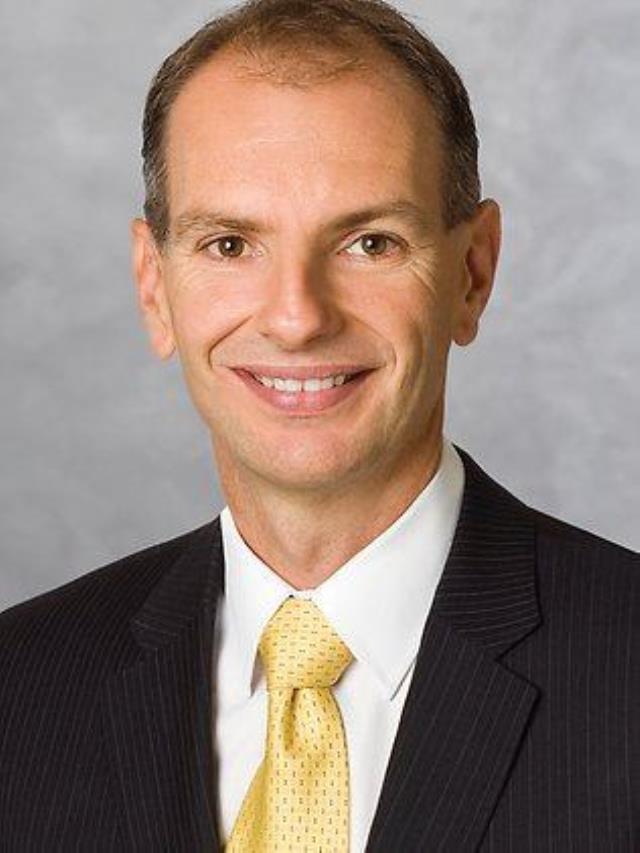
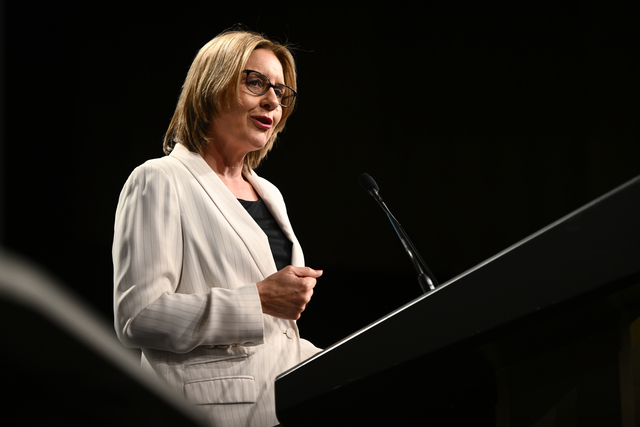
Mayor Sophie Tan says a growing number of ratepayers – about one in five – are being helped to “stay on track” using flexible payment options,.
The most popular alternative was paying by monthly instalments.
“Paying the traditional lump sum or in quarterly installments is challenging for people on a tight budget,” Cr Tan said.
“So we offer weekly, fortnightly and monthly options and have found paying monthly is popular with many of our residents.”
The council also offers payment plans for ratepayers in arrears, as well as waivers in cases of “severe hardship”.
“We encourage anyone in our community who is struggling to pay their rates to call us so we can talk through the best options to support them,” Cr Tan said.
“Our approach is compassionate and customer-centric.”
In 2025-’26, the median household rates and waste charge bill in Greater Dandenong was about $1550 – including a $516 waste charge.
With cost-of-living pressures in mind, the council increased the rates component by 0.1 per cent in 2025-‘26 – well less than the State Government’s 3 per cent rates cap.
The average household’s rates bill – including waste charges – rose by $13 – (or 0.79 per cent).
Last week, Local Government Minister Nick Staikos announced new ministerial guidelines to “ensure councils treat ratepayers who are dealing with difficult financial or personal circumstances with compassion, fairness and understanding”.
They include offering flexible payment options such as deferrals, waivers and payment plans.
“By providing clear guidance, we’re giving councils the tools they need to support vulnerable Victorians facing prolonged hardship or unforeseen hurdles such as job loss, illness, or other changes to family circumstances.”
The State Government has capped rate rises at 2.75 per cent for the upcoming 2026-’27 financial year.