
Discussion has emerged around amalgamating local government into “super councils”, with proponents citing financial strain and economies of scale, while a former local mayor argues that “local government should stay local”.
As reported in The Age, Yarra Mayor Stephen Jolly said he wants an “adult conversation” about the amalgamation of local government, as he and Port Phillip Mayor Alex Makin revealed they are willing to consider a redrawing of their boundaries with the City of Melbourne. Lord Mayor Nick Reece described the idea as “bold”.
Mayor Jolly said the council had identified close to $10.5 million a year in cost-shifting and could be forced to make cuts and “become the Maggie Thatcher of Victoria”.
Former premier Jeff Kennett backed the discussion.
The man responsible for reducing Victoria’s councils from 210 to 79 in 1994 told The Age he would merge Melbourne’s 31 councils into just five today.
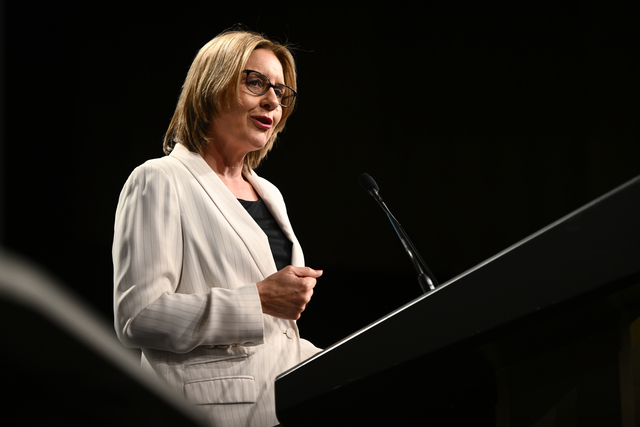
However Greater Dandenong mayor Sophie Tan, citing the reportedly-acrimonious merger between Springvale and Dandenong at that time, gave no countenance to a South-East ‘super council’.
“Greater Dandenong is the result of the amalgamation of the cities of Dandenong and Springvale, over 30 years ago.
“Since then, we have never discussed further amalgamation, and it is not a priority.”
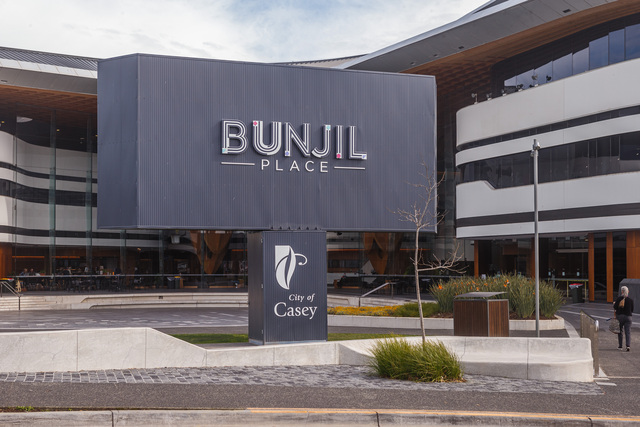
The neighbouring City of Casey itself is a product of those 1994 reforms, through the amalgamation of the former City of Cranbourne and City of Berwick.
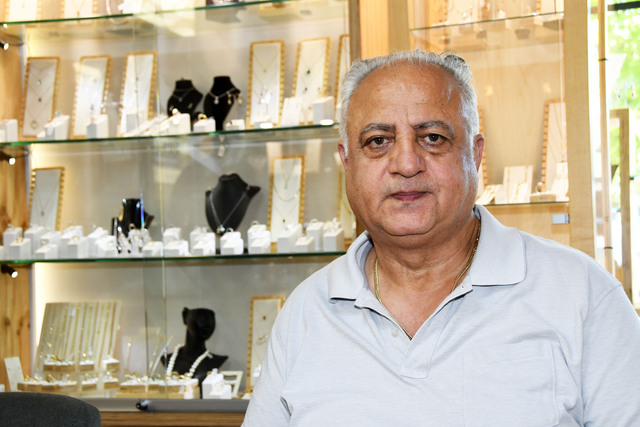
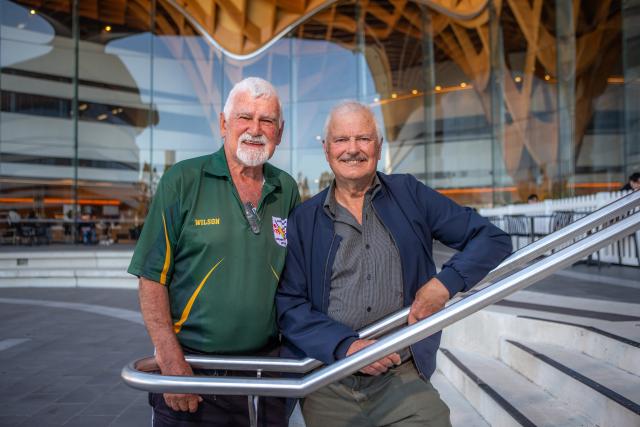
Casey’s longest-serving ex-councillor and ex-mayor Wayne Smith said his views on amalgamation had shifted over time.
While he initially opposed the 1994 council mergers, he learned to appreciate that “sometimes bigger is better”.
“It was economies of scale. It was cheaper and more efficient to run bigger operations than every council running its own operation,” he said.
“It probably makes sense to revisit amalgamations, but they’ve got to be councils that have some sort of natural affinity with each other.
“I think with Dandenong, Casey, Cardinia, they certainly would have.
“The big part will be who’s going to be the boss? Who’s going to be the most important? And, of course, Dandenong and Casey will always argue that they’re more important, and that’ll be up to them to battle that out.”
Mr Smith said the benefits of scale would be most obvious in the service delivery. He pointed to programs such as home care and Meals on Wheels.
“Also rubbish collection, those things where there are contracts involved. You might be able to bargain better if it’s a bigger catchment,” he said.
However, he acknowledged that representation could suffer if councils became too large. “They absolutely could,” he said of the risk that residents might lose their local voice.
“But it’s up to the people who get elected, the representatives.
“If you went bigger, you’re not going to get councillors who can give the time and the energy unless they were full-time.
“We have to look seriously at full time councillors, but then they would have to be accountable.”
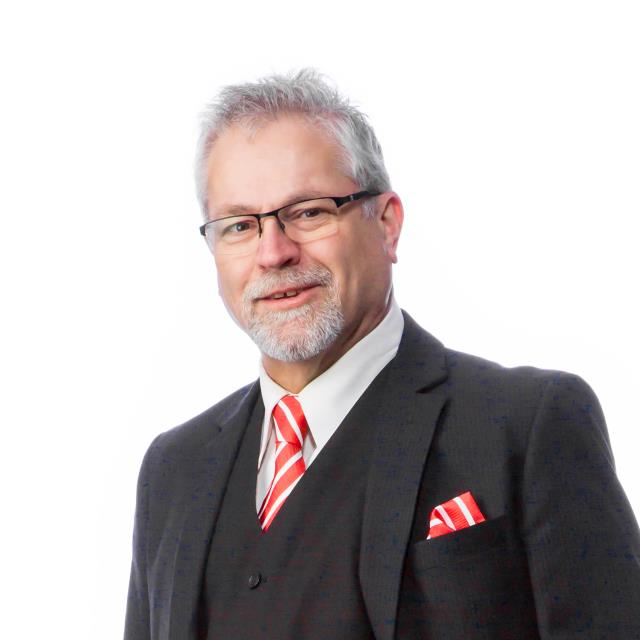
Long-time ex-councillor of City of Berwick Ray Bastin said he did not support the idea of creating larger “mega councils”, arguing that expanding electorates would weaken local representation.
“The local government is about being close to the residents. The larger the electorate, it means that you can’t have that contact,” he said.
Mr Bastin recalled that back when he was a councillor, he door-knocked, hand-delivered leaflets and even responded to a resident’s flooding emergency at 11.30pm.
“That’s what I expect of councillors. They’re local,” he said.
“And I’m quite sure that seeing the councillor is representing a greater size electorate, he would be hoping for a greater salary package. Even if the salary package equated the combined income of the current councillors, I still maintain that the residents would not be getting their best representation.
“You expect these councillors to turn up to your local AGM meetings, the monthly meeting of say the tennis club or the footy club, you want that close contact.
“And if it’s a larger area, you might have 10, 12 different clubs all vying for you on the same night for you to drop in. The representation would be more distant, not as close.”
Former Pakenham Shire mayor Bill Ronald, who was sacked when Kennett dissolved 210 councils into 79 in 1994, said the debate depends on geography.
He said it is a worthy discussion for the inner city, which has “completely different set-ups” to outer Melbourne, but he would never support proposals from Kennett, whose merger was a “complete disaster” for this growth area.
“Our position was that we were a growing municipality and that to amalgamate us would just give us too much growth all of a sudden, rather than having the ability to cope with the growth over time, and that proved to be the case,” he said.
The premise of an inner-city merger would be to pool funds, resources and assets across the area.
Cardinia recorded $303.5 million in revenue in 2024–25, Casey $629.2 million, and Greater Dandenong $305.5 million.
A spokesperson for Greater South East Melbourne said the issue is not relevant to its role.
Cardinia and Casey councils declined to comment.